Top 10 advantages of Aloe Vera on Skin: Natural Glow and Healing You’ll Love
by
Aloe vera on skin
If there’s one plant that deserves a permanent spot on your bathroom shelf, it’s aloe vera.
You’ve probably used it to soothe a sunburn — that cool, gel-like texture instantly calming your skin — but did you know aloe vera’s benefits go far beyond after-sun care? This humble green plant is a powerhouse of hydration, healing, and glow-enhancing nutrients.
Aloe vera has been called the “plant of immortality” by ancient Egyptians, and for good reason. Rich in vitamins, minerals, amino acids, and enzymes, it’s been used for centuries to heal wounds, fade scars, and rejuvenate tired skin.
In today’s world — filled with harsh skincare products, pollution, and stress — going back to natural remedies like aloe vera isn’t just trendy. It’s smart, sustainable, and science-backed.
Let’s explore the top 10 proven advantages of aloe vera for your skin, along with the best ways to use it safely for that lasting natural glow you’ll absolutely love.
1. Deep Hydration Without the Grease
Unlike heavy moisturizers that clog pores, aloe vera penetrates deeply into the skin — hydrating without the oily feel.
Its gel-based texture makes it perfect for all skin types, especially oily or combination skin. Aloe vera’s natural humectants draw moisture from the air and lock it into your skin barrier, keeping it supple and soft.
If your skin often feels tight after washing, applying pure aloe gel restores balance and elasticity instantly.
For an even more refreshing effect, store your aloe gel in the fridge and apply it chilled after cleansing.
Aloe vera is nature’s cooling balm for sun-exposed or inflamed skin.
It contains compounds called glucomannans and gibberellins, which stimulate skin cell regeneration and reduce inflammation. Its high water content (over 98%) replenishes lost moisture, while antioxidants like vitamin C and E repair UV damage.
That’s why aloe vera is often used after laser treatments, waxing, or accidental burns — it accelerates healing while reducing redness.
Dermatology studies have shown aloe’s efficacy in treating minor burns and post-sun irritation.
If you’re prone to sun damage or redness, pair aloe gel with a gentle SPF moisturizer daily for dual protection.
3. Fights Acne and Blemishes Naturally
Aloe vera’s antibacterial and anti-inflammatory properties make it a go-to ingredient for acne-prone skin.
Regulates oil production without drying out the skin
You can use it as a spot treatment or as a lightweight night moisturizer. For stubborn breakouts, mix aloe vera gel with a few drops of tea tree oil — a proven antibacterial agent — and apply it directly to affected areas.
Aloe vera boosts collagen synthesis, helping your skin repair itself faster.
Research published in the Journal of Ethnopharmacology found that aloe extract significantly improved wound healing time by enhancing fibroblast activity (the cells responsible for collagen production).
That’s why many scar-reduction creams contain aloe vera. It softens scar tissue, reduces pigmentation, and promotes smoother skin texture.
If you’re dealing with acne scars, minor cuts, or post-surgery marks, apply aloe vera twice a day for visible improvement.
5. Reduces Fine Lines and Wrinkles
Aloe vera is rich in antioxidants, particularly vitamins A, C, and E, which combat free-radical damage — one of the main causes of premature aging.
Its polysaccharides support collagen production and skin elasticity, making it an excellent anti-aging companion.
Regular use of aloe gel can help minimize the appearance of fine lines, crow’s feet, and dullness.
Combine it with a retinol or hyaluronic acid serum at night (as advised by your dermatologist) to amplify results.
6. Calms Skin Irritations and Allergies
Sensitive skin? Aloe vera is your best friend.
It’s clinically proven to calm eczema, psoriasis, dermatitis, and allergic rashes thanks to compounds like acemannan that soothe irritation and itching.
Unlike many medicated creams, pure aloe vera doesn’t overload your skin with synthetic steroids — it heals naturally and gently.
If your irritation persists, always consult a dermatologist — chronic conditions like eczema may need prescription care.
7. Brightens Skin and Evens Out Tone
Regular application of aloe vera can gradually fade dark spots, acne scars, and pigmentation.
It contains aloesin, a natural compound that inhibits tyrosinase, the enzyme responsible for excess melanin production. That means over time, your complexion looks more balanced and radiant.
To make a simple brightening mask, mix:
1 tablespoon aloe vera gel
½ teaspoon lemon juice
1 teaspoon honey
Leave it on for 10–15 minutes, rinse with cool water, and follow with moisturizer.
Use this remedy twice a week for visible results.
8. Strengthens the Skin Barrier
Your skin barrier — the invisible wall that locks moisture in and keeps irritants out — is your first line of defense.
Stress, pollution, harsh cleansers, and weather can all weaken it. Aloe vera’s amino acids, lipids, and sterols rebuild that barrier, making your skin more resilient.
When your barrier is strong, your skin feels smoother, less reactive, and stays hydrated longer.
Pairing aloe with ceramide-based moisturizers enhances this effect dramatically.
9. Gently Exfoliates for Smoother Skin
Aloe vera naturally contains salicylic acid and enzymes that break down dead skin cells — gently exfoliating without irritation.
Unlike chemical exfoliants that can sting or peel, aloe’s natural exfoliating action improves texture and glow while keeping your skin hydrated.
It’s perfect for people with dry or sensitive skin who can’t tolerate scrubs or acids.
Use it as a mild overnight mask once a week — apply a thin layer before bed, rinse off in the morning, and enjoy silky, refreshed skin.
10. Acts as a Natural Makeup Primer and Aftercare
Aloe vera gel’s smooth, tacky consistency makes it an excellent natural primer before makeup.
It hydrates and grips foundation for a dewy, even finish — while protecting your skin underneath.
And after makeup removal, a layer of aloe cools the skin, reduces post-cleansing redness, and replenishes lost moisture.
Beauty experts often call it a “skincare multitasker” because it works beautifully both before and after your routine.
How to Use Aloe Vera on Your Skin Safely
Aloe vera is incredibly safe, but like all natural ingredients, it deserves mindful use.
1. Always Patch Test First
Apply a small amount to your wrist and wait 24 hours to ensure no allergic reaction occurs.
2. Use Fresh or Pure Gel
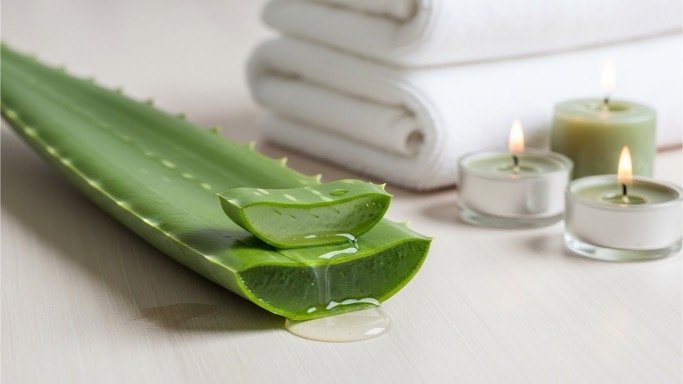
If you have an aloe plant at home, cut a leaf and scoop out the clear gel. Otherwise, choose 100% pure aloe vera gel with no alcohol, dyes, or perfumes.
3. Apply to Damp Skin
Aloe absorbs best when your skin is slightly moist — like right after washing your face.
4. Store Properly
Keep it in the refrigerator to extend shelf life and enjoy a cooling effect.
DIY Aloe Vera Masks and Remedies
Here are a few simple recipes you can try today:
For Dry Skin
Mix 2 tbsp aloe gel + 1 tsp olive oil + 1 tsp honey. Apply for 15 minutes and rinse off.
For Acne
Blend 2 tbsp aloe gel + 3 drops tea tree oil. Apply as an overnight spot treatment.
For Glowing Skin
Combine 1 tbsp aloe gel + 1 tbsp rosewater + ½ tsp turmeric. Use twice a week for brightening.
Frequently Asked Questions About Aloe Vera
Can I use aloe vera daily?
Yes. It’s gentle enough for everyday use on most skin types.
Can aloe vera lighten dark spots?
Over time, yes — consistent use helps fade hyperpigmentation.
Can I apply aloe before makeup?
Absolutely. It works as a hydrating primer and prevents dryness.
Does aloe help with scars or stretch marks?
Regular application promotes skin regeneration and elasticity, reducing their appearance.
The Science Behind Aloe Vera’s Power
Modern research supports what ancient cultures already knew: aloe vera works.
It contains more than 75 active compounds, including:
Vitamins A, C, and E — antioxidants that fight aging
Enzymes like amylase and lipase — reduce inflammation
Minerals (zinc, calcium, magnesium) — aid cell repair
Amino acids — rebuild tissue and maintain hydration
Clinical studies have confirmed aloe’s role in healing burns, reducing acne inflammation, and improving skin elasticity.
This isn’t folklore — it’s proven skincare science.
Potential Side Effects (and How to Avoid Them)
While rare, some people experience:
Mild itching or redness
Allergic reaction to latex in aloe leaves
Dryness from overuse
To avoid irritation:
Always use pure gel, not raw sap (which contains latex).
Moisturize after using aloe if your skin feels tight.
Discontinue use if redness persists.
The bottom line
Nature really does know best — and aloe vera is living proof.
From calming irritation to brightening dull skin, this green miracle plant gives your skin everything it needs to heal, hydrate, and glow naturally.
If you’re tired of complex skincare routines, aloe vera is your minimalist solution — one plant, endless benefits.
Remember: consistency is key. Use aloe daily, treat your skin gently, and watch your natural radiance return — no filters needed.
Because when your skin feels good, you feel good too.