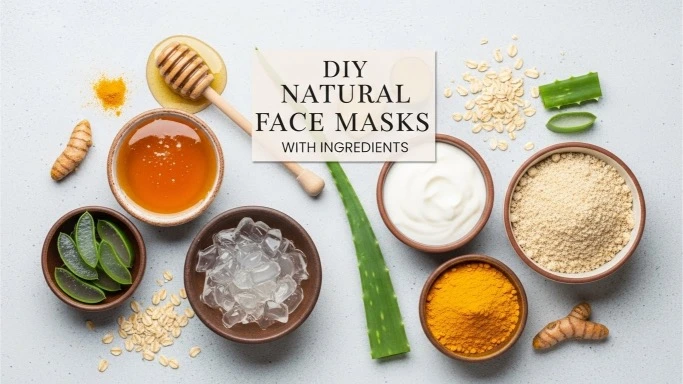
DIY Natural Face Masks with Ingredients You Need to Learn
by
Taking care of your skin doesn’t have to mean expensive products, complicated routines, or harsh chemicals. In fact, some of the most effective skin-loving ingredients are already sitting in your kitchen. DIY natural face masks are simple, affordable, and surprisingly powerful when used the right way.
This guide walks you through natural face masks you can actually trust, explains why each ingredient works, and shows you how to match masks to your skin type. No hype. No unrealistic promises. Just real, skin-friendly knowledge you can use today.
Why DIY Natural Face Masks Are So Popular (And Actually Effective)
People are turning to DIY face masks for a few clear reasons:
They know exactly what’s going on their skin
They want fewer chemicals and preservatives
They’re tired of overpriced products that underdeliver
They want solutions tailored to their own skin
When chosen wisely, natural ingredients can support hydration, calm irritation, gently exfoliate, and improve overall skin texture. Many of these ingredients are also backed by research for their antioxidant and soothing properties.
That said, natural doesn’t automatically mean safe or better. Knowing which ingredients work — and how to use them — makes all the difference.
Understanding Your Skin Type Before You Start
Before mixing anything, it’s important to understand your skin. Using the wrong ingredients can cause dryness, breakouts, or irritation.
Dry Skin
Feels tight, flaky, or dull. Needs moisture and barrier support.
Oily Skin
Looks shiny, especially in the T-zone. Needs balance, not stripping.
Combination Skin
Oily in some areas, dry in others. Needs targeted care.
Prone to clogged pores and inflammation. Needs gentle antibacterial support.
Key Natural Ingredients You Should Know (And Why They Work)
Understanding ingredients is more important than memorizing recipes.
Honey
Naturally antibacterial
Draws moisture into the skin
Helps calm redness
Raw honey has been studied for its antimicrobial and wound-healing properties, which explains why it’s often recommended for acne-prone or irritated skin. Source: https://www.ncbi.nlm.nih.gov/pmc/articles/PMC5452224/
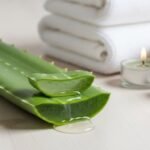
Aloe is especially helpful for sensitive and acne-prone skin.
Clay (Bentonite or Kaolin)
Absorbs excess oil
Helps unclog pores
Clarifies without harsh scrubbing
Clay masks work best for oily or combination skin.
DIY Natural Face Masks by Skin Concern
1. Hydrating Face Mask for Dry Skin
Ingredients
1 tablespoon raw honey
1 tablespoon plain yogurt
How to Use
Mix until smooth
Apply to clean skin
Leave on for 15 minutes
Rinse with lukewarm water
Why It Works Honey draws in moisture while yogurt gently softens dry patches.
2. Calming Face Mask for Sensitive Skin
Ingredients
1 tablespoon finely ground oatmeal
1 tablespoon aloe vera gel
How to Use
Mix into a soft paste
Apply gently
Leave on for 10–12 minutes
This mask reduces redness without stressing the skin barrier.
3. Oil-Balancing Mask for Oily Skin
Ingredients
1 tablespoon clay
1–2 teaspoons water or rose water
How to Use
Apply thinly
Let dry halfway (not fully cracked)
Rinse gently
Over-drying can trigger more oil production, so timing matters.
4. Brightening Mask for Dull Skin
Ingredients
1 teaspoon turmeric
1 tablespoon honey
Important Tip Turmeric can stain. Use a small amount and rinse thoroughly.
5. Gentle Acne-Support Mask
Ingredients
1 tablespoon aloe vera
1 teaspoon honey
This combination supports calm, balanced skin without harsh drying.
How Often Should You Use DIY Face Masks?
Dry or sensitive skin: Once a week
Oily or acne-prone skin: 1–2 times per week
Overuse can irritate even natural ingredients
Consistency matters more than frequency.
Common Mistakes People Make with DIY Masks
Using lemon or baking soda (too harsh)
Leaving masks on too long
Skipping patch tests
Mixing too many ingredients at once
Expecting overnight miracles
Healthy skin improves gradually.
Are DIY Face Masks Safe for Everyone?
Most are safe when used properly, but:
Always do a patch test
Avoid broken or inflamed skin
If you have chronic skin conditions, consult a dermatologist
Natural skincare should feel supportive, not risky.
Short FAQ: DIY Natural Face Masks
Do DIY face masks really work? Yes, when ingredients match your skin needs and are used consistently.
Can I store leftover masks? No. Fresh is best. Natural masks lack preservatives.
Are natural masks better than store-bought ones? They can be gentler, but both have a place depending on your needs.
Can I use DIY masks daily? No. Skin needs recovery time.
The bottom line
DIY natural face masks remind us that skincare doesn’t have to be complicated to be effective. With the right ingredients and a thoughtful approach, you can support your skin’s health using simple, accessible tools.
The key is understanding why ingredients work, respecting your skin’s limits, and staying consistent rather than extreme. Healthy skin is built over time — not overnight.
Find more wellness insights on Info2Health.com — because better health starts with better knowledge.