Hormones influence nearly every system in the body — from metabolism and mood to sleep, skin, and reproductive health. When people search for foods for hormonal health, they are usually looking for something simple and actionable. The truth is, hormone balance isn’t about one miracle food. It’s about patterns, nutrients, and long-term consistency.
As of early 2026, nutrition research continues to emphasize that hormones respond best to overall dietary quality rather than restrictive trends. Whole foods, fiber, healthy fats, and micronutrients play essential roles in supporting how hormones are produced, transported, and metabolized.
This article explains the top 10 foods for hormonal health, how they may support hormonal systems, and what realistic expectations look like.
How Nutrition Influences Hormones
Hormones are chemical messengers produced by glands such as the thyroid, adrenal glands, pancreas, and reproductive organs. They regulate:
Blood sugar
Stress response
Reproductive cycles
Sleep rhythms
Appetite
Mood
Food affects hormones in several ways:
It provides building blocks for hormone production.
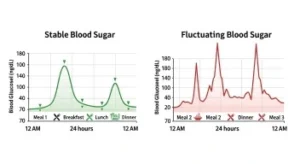
It influences insulin and blood sugar regulation.
It supports liver detoxification pathways involved in hormone metabolism.
It affects inflammation levels, which can influence hormonal signaling.
Nutrition alone does not “fix” hormonal conditions. But dietary patterns can support a stable internal environment.
Top 10 Foods for Hormonal Health
Below are ten evidence-supported foods that may contribute to balanced hormone function when included as part of a nutrient-dense eating pattern.
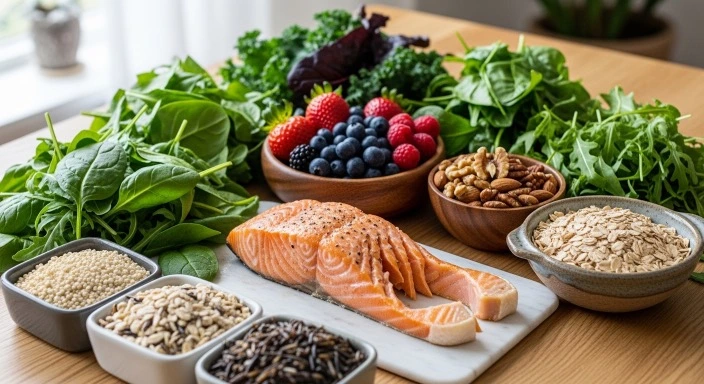
1. Fatty Fish (Salmon, Sardines, Mackerel)
Fatty fish are rich in omega-3 fatty acids, particularly EPA and DHA.
Why they matter for hormonal health:
Omega-3s help regulate inflammation.
They may support insulin sensitivity.
They contribute to cell membrane health, which influences hormone receptor function.
Research continues to explore omega-3 intake and reproductive, metabolic, and stress-related hormone systems.
2. Leafy Green Vegetables (Spinach, Kale, Swiss Chard)
Leafy greens provide magnesium, folate, and fiber.
Magnesium plays a role in:
Stress hormone regulation
Blood sugar balance
Sleep support
Fiber assists in the removal of excess estrogen through digestive pathways.
Cruciferous vegetables contain compounds such as sulforaphane and indole-3-carbinol.
These compounds are studied for their potential role in:
Supporting estrogen metabolism
Promoting liver detoxification pathways
They do not “eliminate estrogen,” but they may assist natural processing mechanisms.
4. Berries
Berries are rich in antioxidants and polyphenols.
Oxidative stress can influence hormonal signaling pathways. Diets rich in antioxidant foods may help maintain balanced cellular environments.
Blueberries, raspberries, and strawberries are particularly nutrient-dense while remaining relatively low in added sugar exposure.
5. Nuts and Seeds (Especially Flaxseeds and Walnuts)
Seeds provide fiber and lignans.
Lignans are plant compounds that may interact with estrogen metabolism pathways. Flaxseeds are frequently studied in relation to hormonal balance, particularly in women.
They also supply healthy fats necessary for steroid hormone production.
6. Fermented Foods (Yogurt, Kefir, Sauerkraut)
Gut health and hormonal health are interconnected.
The gut microbiome plays a role in:
Estrogen recycling
Inflammation regulation
Immune signaling
Fermented foods support microbial diversity, which may indirectly influence hormone balance.
They support systems over time when combined with:
Sleep consistency
Stress management
Physical activity
Overall dietary quality
Hormonal responses vary between individuals.
Common Misunderstandings About Foods for Hormonal Health
“One superfood can fix hormone imbalance.” Hormones operate within complex systems. No single food controls them.
“Carbohydrates ruin hormones.” Quality and quantity matter more than elimination.
“Low-fat diets are best for hormone health.” Hormones require fats for synthesis. Extremely low-fat diets may not support optimal function.
When to Be Thoughtful
If someone experiences:
Persistent menstrual irregularities
Severe fatigue
Significant mood changes
Thyroid-related symptoms
Nutrition may be one factor, but medical evaluation is important. Food supports health; it does not replace diagnosis or treatment.
FAQ: Foods for Hormonal Health
What are the best foods for hormonal health? Fatty fish, leafy greens, cruciferous vegetables, berries, seeds, fermented foods, eggs, avocados, legumes, and whole grains are commonly discussed in research.
Can diet really affect hormones? Yes. Diet influences insulin, inflammation, and nutrient availability, all of which affect hormone signaling.
How long does it take for diet changes to impact hormones? Changes may take weeks to months. Hormonal systems adjust gradually.
Are supplements better than food for hormone support? Whole foods provide broader nutrient matrices. Supplements may help in certain cases but should be considered thoughtfully.
Final Thoughts on Foods for Hormonal Health
When people ask about foods for hormonal health, they’re often searching for clarity in a confusing space.
The most consistent evidence suggests that hormonal stability responds to:
Nutrient-dense whole foods
Fiber-rich vegetables
Healthy fats
Stable blood sugar patterns
Adequate sleep and stress management
There is no single dietary solution that works universally. But building meals around these ten food categories may help support the body’s natural hormone processes over time.
Small, consistent shifts are more impactful than extreme approaches.