How to Use Zaatar Spice Every Day: Easy Ways to Add More Flavor & Nutrition
by
If you’re looking for a simple way to make your meals healthier and more flavorful, za’atar or zaatar spice might become your new best friend. This ancient Middle Eastern blend has taken the modern wellness world by storm—and for a good reason. Packed with herbs, antioxidants, minerals, and aromatic oils, za’atar can transform everyday ingredients while boosting nutrition in a natural, delicious way.
Whether you sprinkle it on eggs, mix it into olive oil, add it to roasted vegetables, or use it as a rub for chicken, this spice blend offers endless possibilities. And if you’ve ever tasted it on warm bread dipped in olive oil, you know exactly why people fall in love with its earthy, bright, slightly tangy flavor.
In this guide, you’ll discover everything you need to know—how za’atar is made, how it benefits your health, how to use za’atar spice, za’atar leaves, and za’atar oil, and the easiest ways to add it to your meals every day.
Let’s dive in.
What Is Zaatar Spice? A Deep Dive Into Its Origins
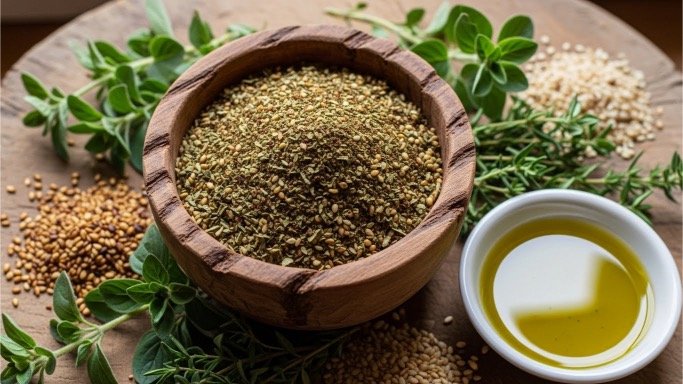
Za’atar is a traditional Middle Eastern blend made from:
Dried oregano (za’atar leaves)
Thyme
Marjoram
Sumac
Sesame seeds
Optional extras: cumin, coriander, fennel, or roasted flour depending on the region
This mix varies slightly from country to country. Lebanese za’atar tends to be thyme-forward, Jordanian versions lean heavier on sumac, and Palestinian blends usually have a more intense herbal flavor.
For the blend’s base, fresh oregano/thyme—often referred to as “za’atar leaves”—are dried and crushed. These leaves are rich in essential oils like thymol and carvacrol, which support immunity and gut health.
Za’atar Oil, Explained
Za’atar oil is simply high-quality extra-virgin olive oil infused with za’atar spice. It’s used for:
Bread dipping
Marinades
Salad dressings
Topping roasted vegetables
Flavoring grilled meats
It’s incredibly aromatic and delivers the nutritional power of both za’atar and olive oil.
Natural ingredients are powerful. Just like za’atar supports your body from the inside,argan oil shampoosupports your hair on the outside.
Nutrition Profile of Za’atar Spice
Za’atar is more than a tasty blend. It’s a nutrient-packed powerhouse filled with:
Antioxidants
Sumac is one of the most antioxidant-rich spices in the world. It helps reduce inflammation and oxidative stress.
Healthy fats
Sesame seeds add healthy fats, especially polyunsaturated and monounsaturated fats.
Minerals
Za’atar provides iron, magnesium, calcium, potassium, and zinc—key for bone health, muscle function, and immune defense.
Antimicrobial compounds
Oregano and thyme contain compounds that support gut health and fight harmful bacteria.
Fiber
The seeds and herbs add digestion-supporting fiber.
Even a small sprinkle packs nutritional value.
Health Benefits of Zaatar Spice
1. Supports Digestion
The herbs in za’atar stimulate digestive enzymes and can reduce bloating.
2. Boosts Immune Health
The oregano/thyme base contains thymol and carvacrol—known for antimicrobial and antiviral properties. WebMed explains well the health benefits of thyme.
3. Enhances Brain Function
Sesame seeds contain tyrosine, which helps dopamine production. Dopamine supports focus, motivation, and memory.
4. Reduces Inflammation
Sumac contains polyphenols that lower inflammation and support heart health. Read the research on sumac benefits
5. Supports Healthy Skin
The antioxidants and healthy fats help improve skin elasticity and reduce dryness over time.
How to Use Zaatar Spice Every Day: 15 Delicious Ways
Here are practical, tasty, and healthy ways to use za’atar daily.
1. Sprinkle Za’atar on Eggs
Whether it’s scrambled, fried, or boiled eggs, a little sprinkle of za’atar upgrades the flavor instantly. For a healthier breakfast, pair eggs with whole-grain toast or avocado.
The easiest and most traditional way to love za’atar.
How to Make It
2 tbsp za’atar
¼ cup olive oil
Mix in a small bowl and dip fresh bread, veggies, or pita chips. This is a perfect snack or side dish that supports heart health thanks to olive oil’s monounsaturated fats.
3. Add Za’atar to Roasted Vegetables
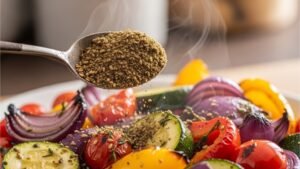
Toss carrots, potatoes, zucchini, or cauliflower with olive oil and za’atar before roasting. The herb blend caramelizes beautifully.
4. Use Za’atar as a Chicken or Fish Seasoning
Rub za’atar mixed with olive oil onto chicken breasts, salmon, or cod before baking or grilling. It adds a Mediterranean flair and pairs beautifully with lemon.
5. Za’atar Avocado Toast
Spread ripe avocado on toast, drizzle za’atar oil, and sprinkle extra za’atar on top. This breakfast supports heart health and gives steady morning energy.
6. Stir Za’atar Into Hummus or Greek Yogurt
You’ll elevate the flavor and increase nutritional value instantly. Try sprinkling za’atar on top of:
Hummus
Labneh
Greek yogurt bowls
Tahini dips
7. Add Za’atar to Soups
A pinch of za’atar in lentil soup, chicken soup, or vegetable soup deepens the flavor and adds antioxidants.
8. Make Za’atar Salad Dressing
Mix together:
1 tbsp za’atar
3 tbsp olive oil
1 tbsp lemon juice
Salt + pepper
It’s perfect for Mediterranean salads, quinoa bowls, and roasted veggie salads.
9. Use Za’atar Oil on Pizza or Flatbread
A drizzle of za’atar oil on fresh pizza or manakeesh (Middle Eastern flatbread) adds aroma and herbal complexity.
A fun, healthy alternative to buttered popcorn. Za’atar + olive oil = gourmet snack.
12. Add to Rice or Quinoa
Just mix 1 tsp za’atar into cooked rice or quinoa for instant flavor. Pairs wonderfully with chicken or roasted vegetables.
13. Za’atar Roasted Nuts
Toss almonds, cashews, or peanuts with olive oil and za’atar. Roast for 10 minutes. This creates a high-protein, antioxidant-rich snack.
14. Use Za’atar Leaves in Tea
Fresh za’atar leaves (fresh oregano/thyme) can be steeped in hot water for a calming herbal tea. This tea supports digestion, boosts immunity, and eases bloating.
15. Use Za’atar Oil as a Marinade
Marinate chicken, tofu, or vegetables in za’atar oil for 30 minutes to add depth and aroma.
Easy Za’atar Recipes You Can Make Today
Recipe 1: Za’atar Olive Oil Bread Dip
Ingredients:
¼ cup extra virgin olive oil
2 tbsp za’atar spice
Optional: a pinch of sea salt
Instructions:
Mix everything together.
Serve with warm pita or fresh vegetables.
Recipe 2: Za’atar Chicken Bake
Ingredients:
2 chicken breasts
2 tbsp za’atar
Juice of ½ lemon
2 tbsp olive oil
Salt + pepper
Instructions:
Mix oil, za’atar, lemon juice, salt, and pepper.
Rub on chicken.
Bake at 400°F (205°C) for 22–25 minutes.
Recipe 3: Za’atar Roasted Potatoes
Ingredients:
4 potatoes, cubed
2 tbsp olive oil
1 tbsp za’atar
Instructions:
Toss all ingredients.
Roast at 425°F (220°C) for 30–35 minutes.
Za’atar Oil: Benefits & Uses
Za’atar oil is simply olive oil infused with the spice blend. It is rich in:
Healthy fats
Polyphenols
Anti-inflammatory compounds
Ways to use it daily:
Drizzle on salads
Mix into dips
Brush on chicken or fish
Toss with roasted vegetables
Use as a finishing oil for rice or quinoa
Bringing It All Together
Za’atar is one of the easiest and healthiest ways to bring more flavor, nutrition, and variety into your meals. Whether you sprinkle it on eggs, mix it with olive oil, bake it into breads, or brew its leaves into tea, za’atar offers rich antioxidants, gut-friendly herbs, and delicious aroma.
Because it’s so versatile, you can use it in breakfast, lunch, dinner—and even snacks. If you’ve been looking for a healthy way to make your meals more exciting, za’atar spice deserves a permanent spot in your kitchen. And if you want to elevate your well-being even further, you might enjoy practicing intentional positivity with these gratitude examples that support emotional and mental health.